Stories Behind the Aircraft
Stories Behind the Aircraft is a continuing series from Aviation Heritage Park and Museum exploring the people, missions, and moments behind the aircraft that tell their stories.
My Enemy, My Friend
The Incredible Journey of Phantom 550
Some aircraft are remembered for the missions they flew.
Others are remembered for the people who flew them.
At Aviation Heritage Park & Museum, Phantom 550 is remembered because it changed lives.
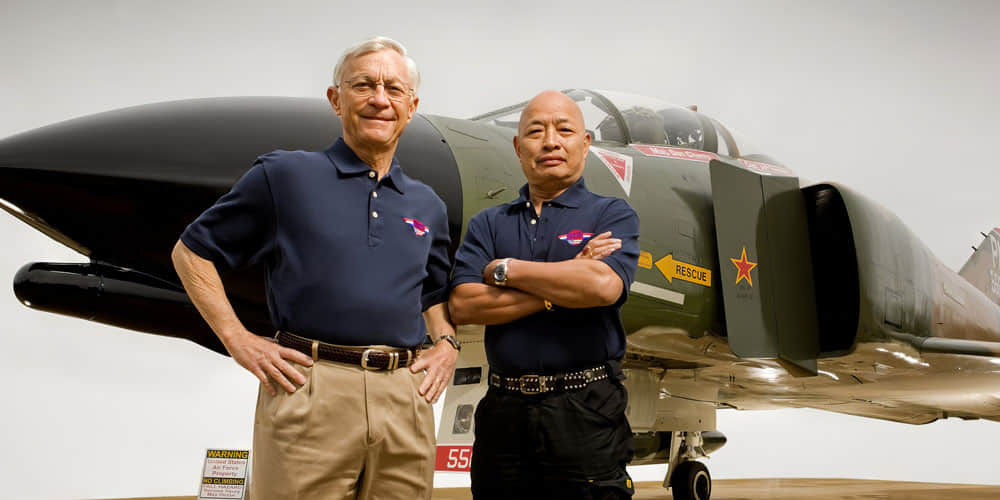
The McDonnell Douglas F-4D Phantom II displayed at the park, tail number 66-7550, is far more than a fighter aircraft. It became the thread that connected former enemies, reunited long-lost comrades, inspired the creation of Aviation Heritage Park, and continues to teach new generations that history is ultimately about people.
It all began on April 16, 1972.
A Dogfight Over North Vietnam
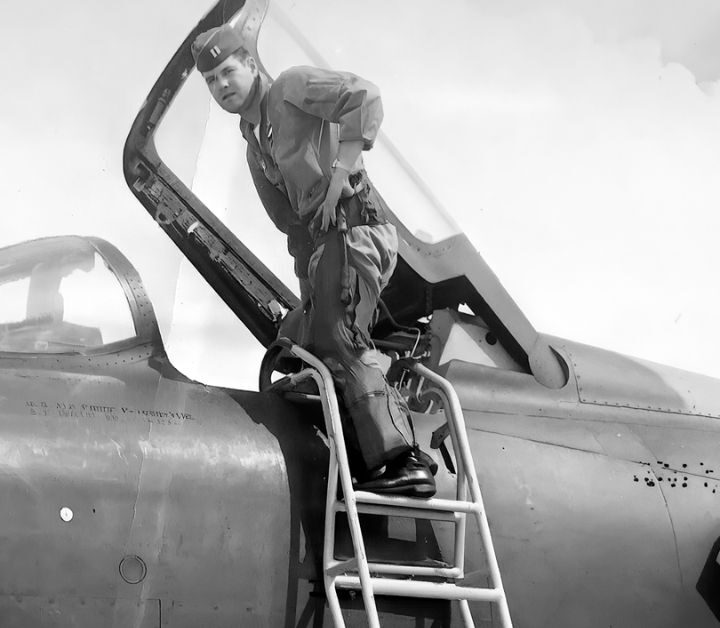
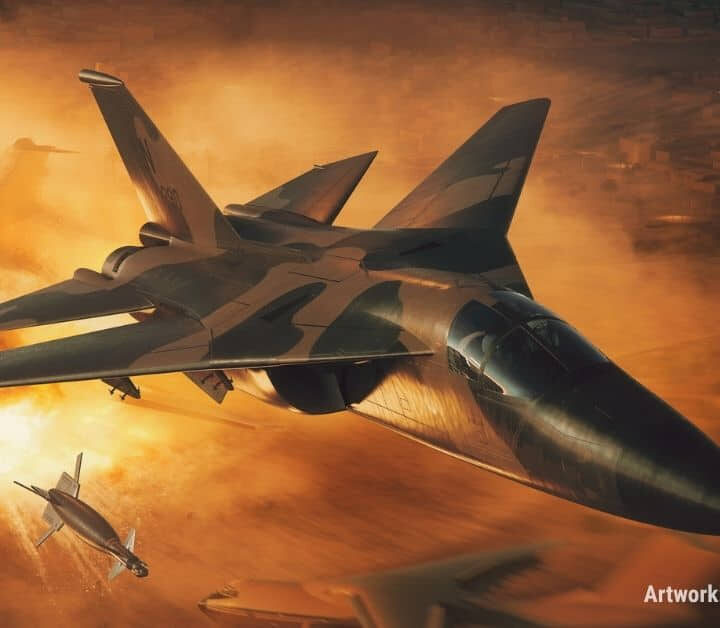
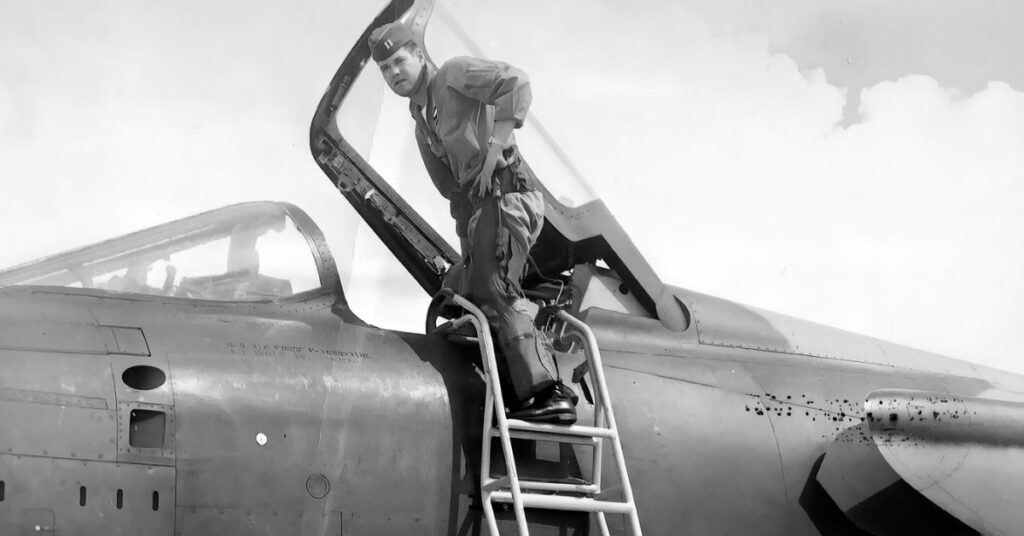
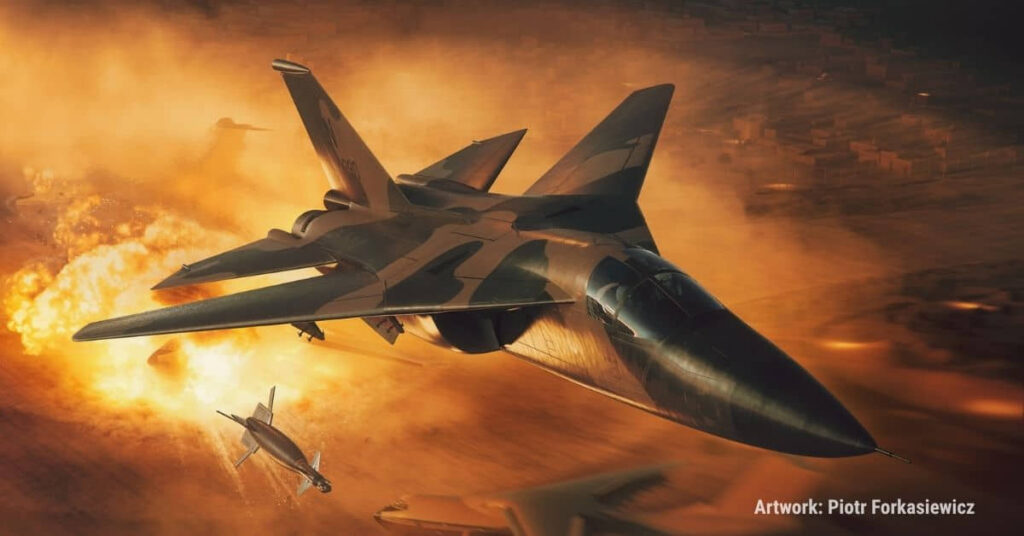
Flying Phantom 550 over North Vietnam, then-Major Dan Cherry and his Weapons Systems Officer, Capt. Jeff Feinstein, encountered a North Vietnamese MiG-21. 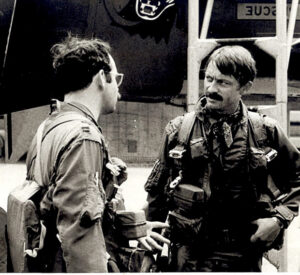 The dogfight that followed lasted only minutes. Cherry launched an AIM-7 Sparrow missile that struck the MiG, sending it spiraling toward the earth.
As Cherry watched, he saw the enemy pilot eject beneath a parachute.
The American crew returned home.
Neither pilot ever imagined their story was just beginning.
For more than thirty years, Dan Cherry often wondered whether the MiG pilot had survived.
Life moved on.
Cherry completed a distinguished Air Force career that included commanding the United States Air Force Thunderbirds. Like thousands of military aircraft after the Vietnam War, Phantom 550 quietly disappeared from public view.
Then, in 2005, chance intervened.
A Forgotten Phantom
During a visit to the National Museum of the United States Air Force, Cherry mentioned the aircraft he had flown during the famous dogfight. A museum official casually remarked that the airplane still existed. It wasn’t in another museum. It was sitting outside a Veterans of Foreign Wars post in Enon, Ohio.
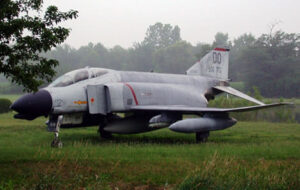 Cherry and several friends immediately drove to see it.
There, weathered and neglected, sat Phantom 550.
Standing beside the aircraft, Cherry told the story of the mission it had flown more than three decades earlier. During the drive home to Kentucky, an idea took shape.
What if they could save the airplane?
Bringing Phantom 550 Home
That question changed everything.
With the support of volunteers, donors, veterans, businesses, and the community, Phantom 550 was brought to Bowling Green in December 2005. Hundreds of hours were spent restoring the aircraft to its wartime appearance.
But restoring the airplane became only part of the mission.
Cherry wanted to know the fate of the man who had been beneath that parachute.
Searching for an Old Enemy
Through a Vietnamese television program, the North Vietnamese pilot was finally identified.
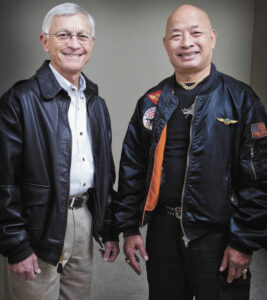 His name was Nguyen Hong My.
When the two men met for the first time after thirty-six years, there was no bitterness.
There was respect.
Each had served his country honorably. Each understood what the other had experienced in ways few people ever could.
What began as a reunion became a genuine friendship.
Together, Cherry and Hong My traveled in both the United States and Vietnam, sharing their remarkable story of reconciliation. Their journey was documented by acclaimed photographer John Fleck, whose connection to Cherry stretched back to Dan’s years commanding the Thunderbirds, when Fleck first photographed him as a college student. Decades later, Fleck found himself documenting a friendship no one could have imagined.
As the story unfolded, more remarkable connections emerged.
The search for Hong My led to another discovery.
The Story Kept Growing
In January 1972, several months before his own shootdown, Hong My had shot down an American RF-4 reconnaissance aircraft over Laos. 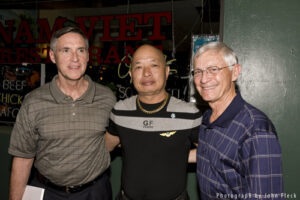 The aircraft’s Weapons Systems Officer, John Stiles, survived after an extraordinary rescue by Air America crews.
More than three decades later, Stiles finally met the pilot who had shot him down. Questions he had carried for a lifetime were finally answered, while the rescuers who helped save his life became part of the same extraordinary circle of friends.
The web of relationships continued to grow.
Today, artifacts from both sides of the Vietnam War will be preserved together at Aviation Heritage Park & Museum. Among them is Nguyen Hong My’s own flight helmet, generously sent from Vietnam as a gift to the museum created through the friendship he and Dan Cherry forged.
It is a powerful reminder that history does not always end when the battle is over.
Without Phantom 550, none of these connections would have happened.
Without its discovery in an Ohio field, Aviation Heritage Park might never have been created.
Lasting Effects
Today, thousands of visitors stand beneath the same aircraft that once flew over Vietnam. Some come to admire an iconic fighter. Others come because they served. Young visitors come with questions that cut straight to the heart of the story.
One day, after watching a documentary about Dan Cherry and Hong My inside the museum, a young robotics student looked up at General Cherry and quietly asked,
“Were you scared?”
Cherry paused before answering.
“I believed in myself.”
Perhaps that is the greatest lesson Phantom 550 has to offer.
Its story is not simply about war.
It is about courage.
It is about friendship.
It is about forgiveness.
And it reminds us that some of life’s greatest victories happen long after the fighting has ended.