
LT. COL. JOHN C. CARMICHAEL | U.S. AIR FORCE
KOREA & VIETNAM COMBAT PILOT
5,000 HOURS TRAINING OTHER AVIATORS
John Craig Carmichael was born in Warren County, Kentucky, in 1928. He joined the U.S. Air Force in 1950 and earned his pilot wings in 1952, beginning a career that would take him through two wars, more than 7,000 flight hours and 25 different types of aircraft.
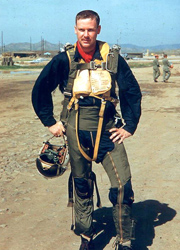 Almost immediately after flight training, Carmichael was sent to Korea. There he flew 60 combat missions in the P-51 Mustang and F-86 Sabre.
When he returned to the United States, the young combat veteran became an instructor pilot. For more than eight years at Nellis Air Force Base and Connally Air Force Base, Carmichael trained other Air Force pilots in some of the most advanced jet aircraft of the era. Teaching others to fly would become one of the defining themes of his career.
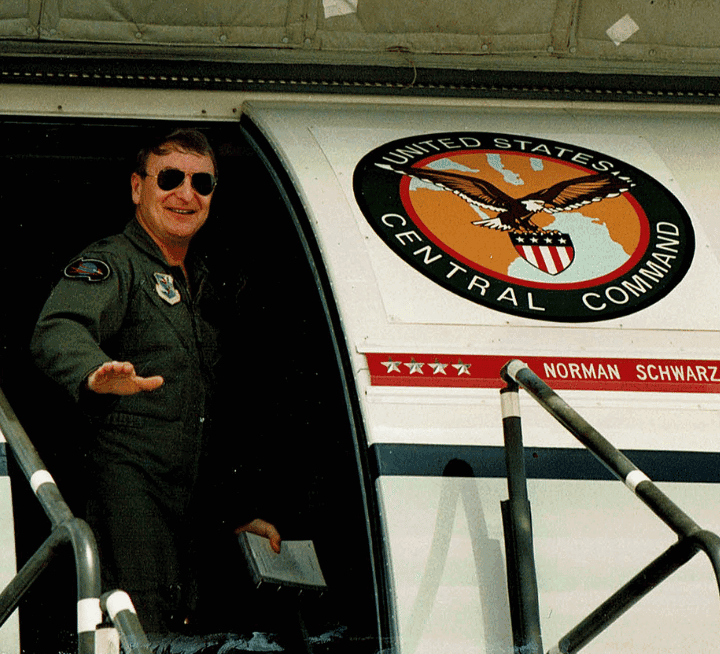
Carmichael was among the first Air Force pilots to qualify in the T-39 Sabreliner. During an assignment in Europe, he became Chief Flight Examiner and Chief of Standardization for the T-39 for United States Air Forces in Europe. He also served as pilot for the commander and vice commander of USAFE.
Later, at Randolph Air Force Base, Carmichael served as Chief of the Standardization/Evaluation and Procedures Branch. His responsibilities extended far beyond evaluating individual pilots. He helped write and formulate instrument flying techniques and procedures used throughout the U.S. Air Force.
But Carmichael wanted to return to operational flying.
In 1971, he volunteered for service in Vietnam. There he flew another 106 combat missions and again served as a flight examiner and standardization/evaluation officer.
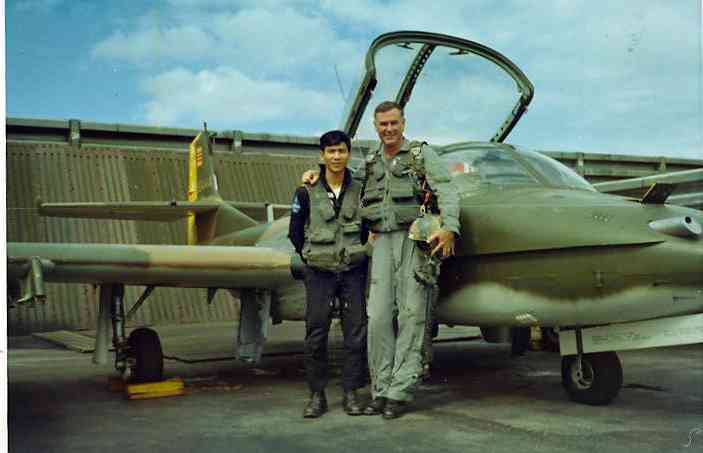
His duties eventually took him into the Military Assistance and Advisory Group, where his experience as both combat aviator and instructor came together. Carmichael flew with and trained South Vietnamese pilots in eight types of aircraft, including the A-37 Dragonfly, A-1 Skyraider, C-119 and C-47 gunships and transports, and the UH-1H helicopter.
The work required more than teaching men how to operate an aircraft. Carmichael was helping South Vietnamese aviators prepare to assume increasing responsibility for their country’s air war as American forces withdrew.
When his own tour ended, he left behind pilots he had trained, flown beside and come to know personally. The war continued without him, and the fate of those men remained with Carmichael long after he returned home.
By 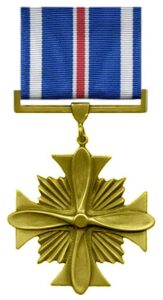 the end of his Air Force career, Lt. Col. Carmichael had accumulated more than 7,000 flight hours, approximately 5,000 of them as an instructor pilot. He had flown 25 different types of aircraft and completed 166 combat missions in Korea and Vietnam.
His decorations included the Distinguished Flying Cross, Bronze Star Medal, Air Force Meritorious Service Medal, multiple awards of the Air Medal, the Air Force Presidential Unit Citation, Air Force Outstanding Unit Citation with Valor device, and Combat Readiness Medal.
Carmichael graduated from Western Kentucky University and was a member of Phi Delta Theta fraternity and a Kentucky Colonel.
Behind the military record was another constant in Carmichael’s life. In 1952, he married Sara Alice Booher of Bowling Green. Whenever circumstances allowed, he named his aircraft for her: “Sweet SaBoo.”
They had two sons, Chris Carmichael and John C. Carmichael Jr.
John Carmichael’s career stretched from the dogfights and jet combat of Korea to the final years of America’s involvement in Vietnam. Yet much of his legacy was built not simply through the missions he flew, but through the thousands of hours he spent in another seat, preparing other pilots to fly safely, skillfully and, when necessary, into combat.